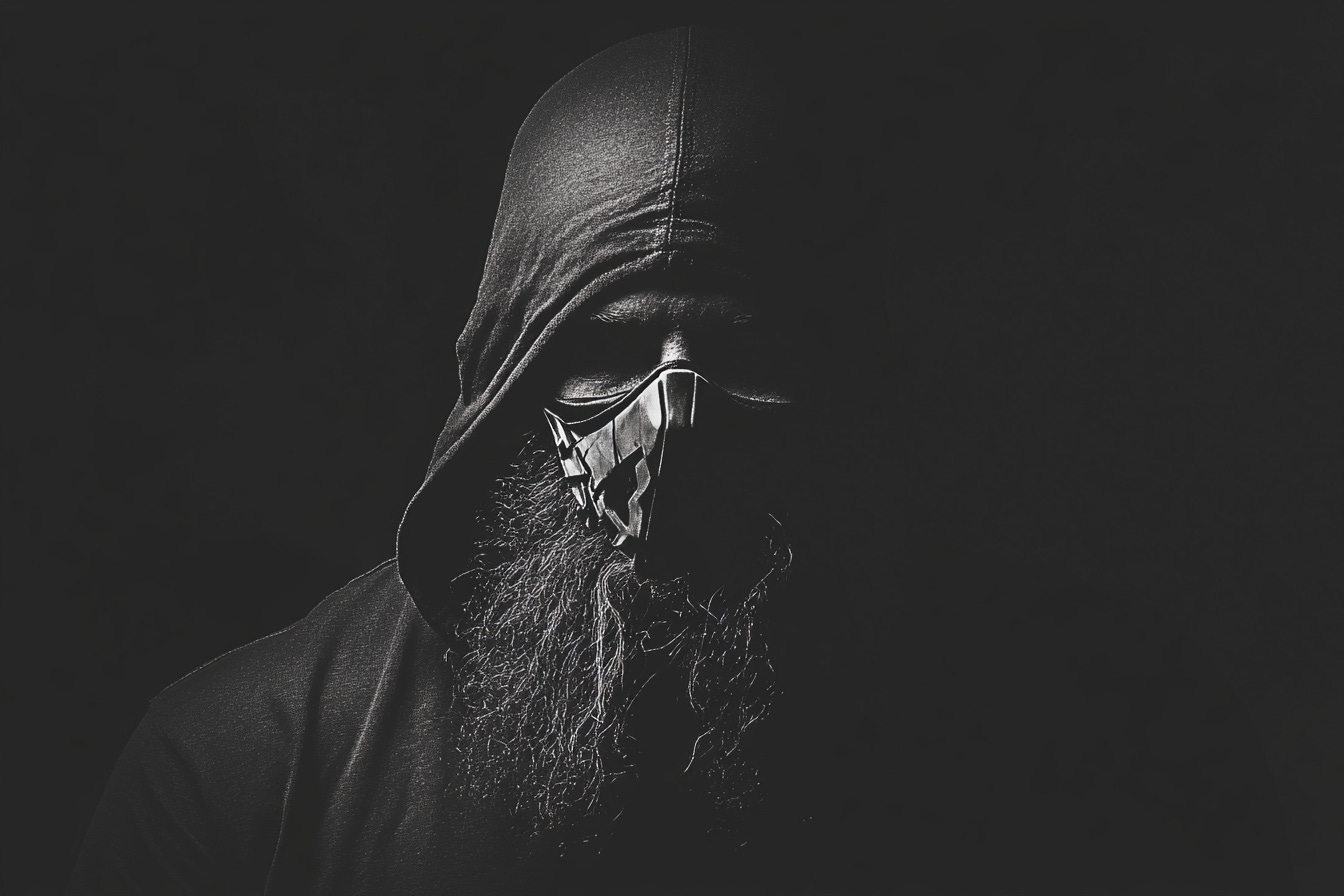
Growing up, I was always the "weird" kid—but not in a way that ostracized me. If anything, my weirdness was celebrated, albeit with a mixture of affection and bewilderment. I was voted Class President and “Most Unique,” which is the kind of juxtaposition that tells you everything you need to know about my life. People recognized my drive, empathy, and creativity, but they also knew I was marching to a rhythm they couldn’t quite hear.
At the time, I didn’t think much about it. I assumed everyone carried a duality: being both seen and unseen, celebrated and misunderstood. It wasn’t until much later—through Jungian shadow work, neuro-linguistic programming (NLP), and self-reflection enabled by AI tools—that I realized how much of my life had been shaped by masking. I didn’t just adapt to the world around me; I excelled at blending in while still letting my quirks surface just enough to make me “interesting” without alienating anyone.
It’s a paradox I’m still grappling with: the need to mask to succeed versus the need to be authentic to survive.
The Ethics of Masking
Masking is often discussed in clinical or academic terms, but for me, it’s deeply personal and ethical. On one hand, masking is a survival strategy. As someone with ADHD, autistic traits, and the complex wiring of a twice-exceptional brain, I’ve learned that the corporate world doesn’t always make space for neurodivergence. The subtle shifts in tone, the calculated pauses in conversation, the carefully curated persona—all of these are tools I’ve used to fit into systems that weren’t built for me.
But masking isn’t just about fitting in; it’s about excelling. I didn’t just climb the corporate ladder—I raced up it, landing leadership roles in high-paying, high-stress positions. My ability to blend my unique strengths with socially acceptable behaviors made me an anomaly in the best and worst ways. I could inspire my teams with creative, empathetic management, but I could also frustrate them with unconventional methods and relentless drive.
And yet, every success came with a cost. Masking isn’t sustainable. It creates an internal disconnect—a sense that you’re living someone else’s life in your own body. You start to wonder if people respect you for who you are or for the version of yourself you’ve strategically presented.
Authenticity as a Risk and Reward
This year, I finally took the leap into authenticity. After decades of masking, I began to unmask in ways that were both terrifying and liberating. Shadow work allowed me to confront the parts of myself I had hidden—both from the world and from myself. NLP exercises helped me reframe my experiences, turning my quirks and challenges into strengths. For the first time, I wasn’t just leaning into my uniqueness; I was celebrating it.
But authenticity isn’t a cure-all. In fact, it’s a gamble. The world isn’t always kind to those who refuse to conform, even when they’re talented and driven. Unmasking in a corporate environment—especially in leadership—can feel like handing over your armor in the middle of a battle.
So, I made a choice. I stepped away from the ladder. I left the high-stress, high-stakes world of leadership roles in software companies and took a position as an individual contributor (IC) with less responsibility, less innovation, and half the salary. To some, this might look like a step backward. To me, it was a step toward myself.
Evaluating the Trade-Offs
Was it the right decision? That depends on how you measure success.
On the surface, my current role seems underwhelming. The team is small, the responsibilities are manageable, and the product is unremarkable. It’s not the kind of job that ignites passion or earns accolades. But that’s precisely why I chose it. By stepping away from the pressures of leadership, I’ve created space to focus on something that truly matters to me: my startup, AIs and Shine.
Building a self-reflection tool powered by generative AI isn’t just a professional endeavor—it’s a personal one. It’s the culmination of everything I’ve learned about authenticity, introspection, and the human experience. It’s a way to channel my creativity and complexity into something meaningful, without the distractions of a role that demands constant masking.
But the trade-offs are real. I miss the sense of purpose that comes from leading a team toward innovation. I miss the creative challenges and the thrill of building something groundbreaking. And, if I’m honest, I miss the salary. But what I’ve gained is worth far more: the ability to live and work as my authentic self, without compromising my mental and emotional well-being.
The Paradox of Acceptance
What’s fascinating is that stepping into authenticity doesn’t mean abandoning the skills I’ve honed through masking. In my current role, I recently shared my 2e diagnosis with my manager—a risk I wouldn’t have taken in my previous roles. Her response was not only supportive but celebratory. She valued my uniqueness, drawing from her own experience with neurodivergent individuals close to her.
It was a moment of acceptance I hadn’t expected, and it reminded me of a deeper truth: authenticity invites the right kind of connections. When I masked, I attracted opportunities that demanded conformity. Now, by embracing my true self, I’m creating a space where my strengths are not just tolerated but valued.
And yet, the paradox remains. I’m still navigating a world that rewards masking while yearning for authenticity. I’m still learning how to balance my need for stability with my desire for self-expression. And I’m still wrestling with the ethical question at the heart of it all: Is it better to fit into the world as it is, or to reshape it to make room for who you are?
The Path Forward

My decision to step back wasn’t about retreating—it was about recalibrating. By choosing a role with less pressure, I’ve given myself the freedom to focus on what truly matters: building something that reflects my values, pursuing personal growth, and living in alignment with my authentic self.
But this path isn’t linear. It’s messy, uncertain, and often misunderstood. Success, for me, is no longer defined by titles or salaries but by the impact I can make while staying true to who I am. It’s about creating a life that celebrates my strengths, accommodates my challenges, and leaves room for the messy, beautiful complexity of being human.
And if that means being “Most Unique” instead of “Most Conventional,” then so be it. After all, I’ve always been more comfortable marching to a rhythm the world can’t quite hear.