
Most of today’s headlines about AI spotlight its remarkable ability to generate code, churn out marketing copy, or produce captivating stories—tools, in other words, that focus on external productivity. And, sure, those are valuable. But where are the headlines about AI’s capability to reshape our inner lives and spur deeper self-awareness? That’s the astonishingly under-discussed frontier.
Enter a new paper from Anthropic, titled Clio: Privacy-Preserving Insights into Real-World AI Use. On the surface, it’s a technical exploration of how people use their AI model—Claude. Yet beneath the engineering details, it tells a bigger story: the majority of AI usage is geared toward external tasks, whether it’s coding, data analysis, or business optimization. In other words, we’ve got a cutting-edge telescope capable of scanning the cosmos, and instead, we’re using it to check our neighbors’ rooftops. It’s not wrong, but it reveals a missed opportunity. This “Clio” study illuminates precisely why I’m on a mission to build AIs & Shine—a platform that unapologetically flips the script and places the individual at the heart of AI’s potential.
The Data Speaks—But It Tells an Incomplete Story
1. Coding and Business Rule the Day
Anthropic’s analysis shows that a huge percentage of AI interactions revolve around code generation, debugging, and business tasks—areas we typically regard as “legitimate” intellectual efforts. Don’t get me wrong: I’ve spent years of my career in these same domains, solving problems in product management, efficiency, and scalability. Yet it’s striking just how little of this sophisticated tech is devoted to exploring ourselves: our motivations, hurdles, identities, and personal growth. If AI is changing the future of work, why can’t it also change the future of who we are?
2. Even Creative Requests Are Externally Focused
Yes, people use AI to draft compelling copy or produce quick translations. These creative sparks may be impressive, but they still largely serve external aims—like marketing or content creation. They rarely guide us inward, unearthing new self-insights or clarifying emotional truths. It’s akin to hiring the world’s best personal trainer, only to have them reorganize your garage.
3. A Missed Opportunity
Seeing these usage patterns, I can’t help but wonder: How much potential are we leaving on the table by ignoring AI’s capacity to probe our internal landscapes? If a system as advanced as Claude or GPT can identify hidden patterns in user data, what if we point that power toward our personal stories? AIs & Shine is my attempt to harness AI not just to make us better workers, but more authentic humans—ones who understand our strengths, patterns, blind spots, and potentials in unprecedented detail.
Clio Validates My Vision for AIs & Shine

Although Clio mainly reveals how AI is being used (or under-used), it unexpectedly validates the core tenets that guide AIs & Shine:
1. Privacy at the Center
Anthropic underscores “multiple layers of privacy protection”—a principle I’ve championed from day one. For self-discovery to be truly transformative, trust is non-negotiable. No one wants to feed their deepest insights into the ad-targeting machine. That’s why AIs & Shine is built around confidentiality and respectful data handling, ensuring people feel safe to explore who they are without commercial manipulation.
2. AI as a Tool for Both Utility and Exploration
The Clio paper highlights the utility of hierarchical data clusters, a fancy way of saying AI can discover rich, unexpected patterns. Imagine applying that same approach to your internal world—recognizing emotional triggers, identifying personal strengths, and suggesting new habits. Instead of “converting more leads,” we’d focus on “revealing more of who you are.”
3. Defining (and Tracking) the Right Metrics
Clio also references Key Performance Indicators like “Insight Quality Rating” and “Time to First Insight Adoption.” In the business realm, these metrics gauge how quickly AI solutions translate into ROI. At AIs & Shine, I’m applying a similar logic to the metrics of personal growth: How rapidly can you gain a new self-understanding? How effectively do you integrate that insight into everyday life? For once, let’s measure what truly matters to the human experience.
A Revolution for the Human Behind the “Doing”
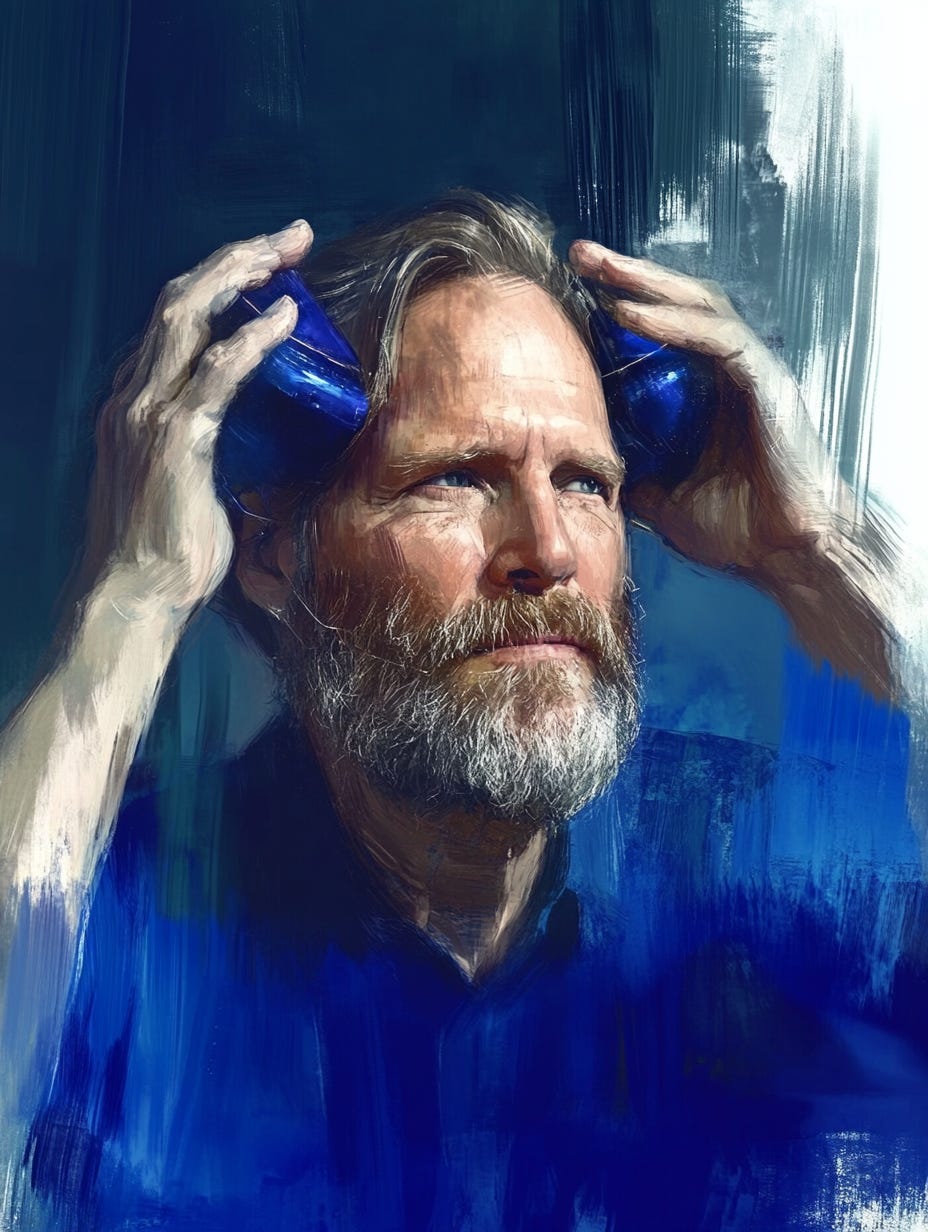
Here’s the heart of it: Clio inadvertently highlights how thoroughly we use AI to do things rather than be more grounded or self-aware. My stance—maybe yours, too—is that humanity doesn’t need just another code generator or marketing wizard. We need a technology that also acts like a mirror, one that can help us see deeper truths about ourselves, live more intentionally, and dismantle limiting beliefs.
1. AI as a Mirror for Your Soul
We commonly aim AI at the market: “What product is trending?” or “What ads might convert best?” But imagine turning the lens inward. “What drives my biggest anxieties?” “Why do I keep repeating these habits?” In this sense, AI doesn’t just deliver answers—it provokes self-reflection, systematically and compassionately shining light on the complexity of you.
2. Radical Authenticity at Scale
Let’s face it—self-inquiry has often been an elusive, time-consuming pursuit. But with advanced language models, we can expedite the process, making authentic reflection more accessible. AIs & Shine is designed to remove much of the friction: journaling prompts, patterns-of-behavior analysis, and even dynamic action plans. The result? Personal growth that’s consistent with—rather than overshadowed by—modern life’s pace.
3. Co-Creating a Self-Defined Future
From my own experience, directing AI toward personal insight has changed how I approach challenges. Instead of feeling like a perpetual “product” (to refine in a corporate sense), I see myself more as an ever-evolving being. AIs & Shine is engineered to cultivate that mindset in others too, helping you not just chase external milestones but craft a life that resonates with your values and passions.
A Shift in Focus (and a Challenge to You)
So, Clio underscores that we’re still in the early phases of recognizing AI’s deeper promise. It’s easy to champion “productive outputs”—like finishing a big project faster or automating tasks—but we have yet to fully embrace AI’s capacity to transform our inner narrative. My invitation: let’s push beyond using advanced algorithms for routine business tasks and into forging a new path for personal evolution.
Ask yourself:
How might my life shift if AI helped me uncover emotional blind spots or amplify my core strengths?
What if we measured “success” not by how many lines of code we can generate but by how much more aligned with our authentic selves we can become?
If that resonates with you, maybe “AIs and Shine” is your next leap. Because, yes, AI can help you write better copy or debug your code—but it can also help you write a more authentic story of who you are. Let’s not waste this moment focusing solely on external deliverables when the inward horizon is just as vast and largely untapped.
Will you join me in exploring AI’s truly human side? It might be the greatest discovery we’ve yet to make with these powerful technologies.