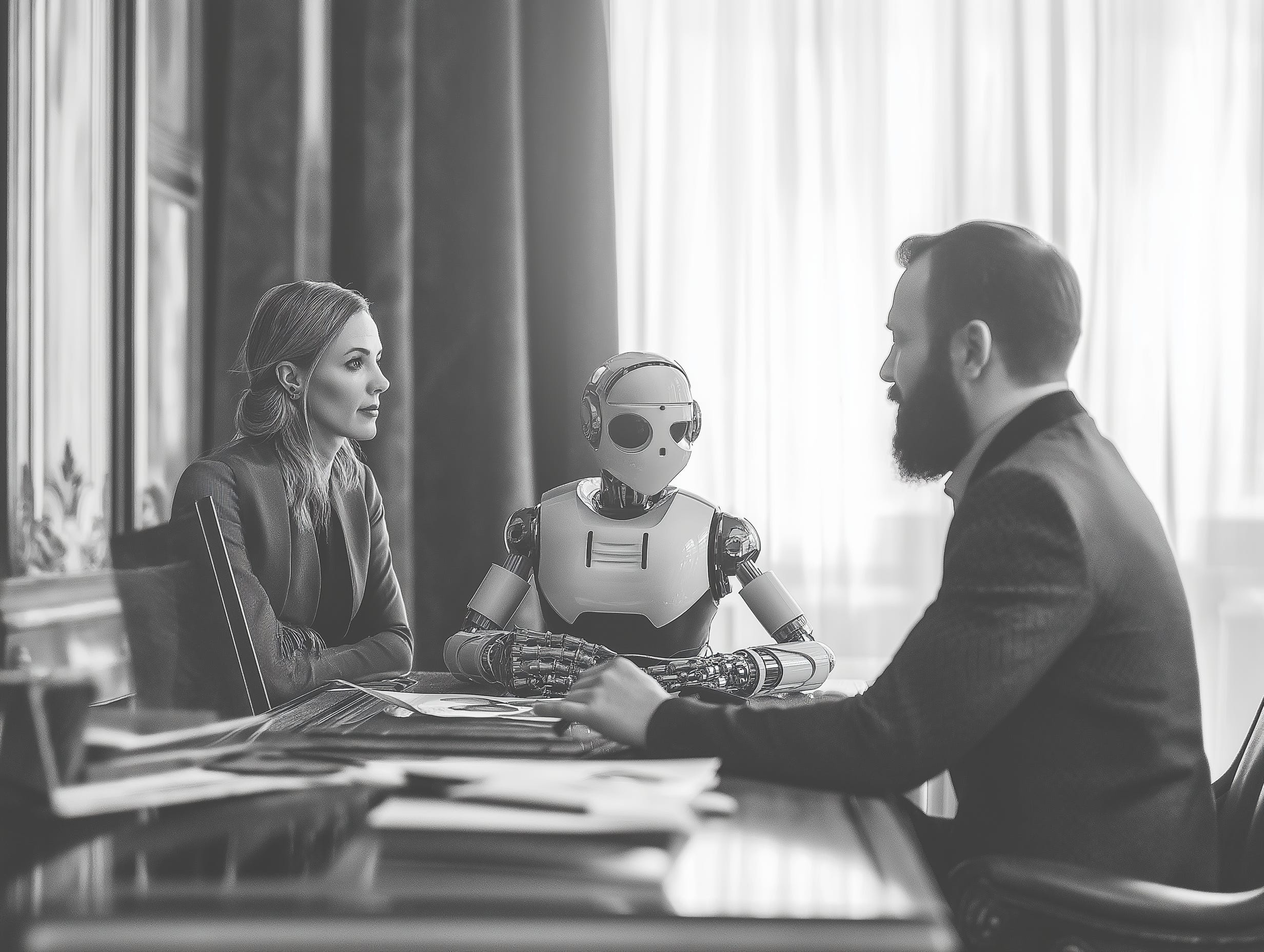
Throughout my career, I’ve often stood at the intersection of vision and execution, translating complex ideas into tangible products. Product Management isn’t just a role; it’s a dynamic blend of artistry and engineering. As someone with over 15 years of experience leading cross-functional teams, designing product strategies, and delivering impactful solutions, I’ve come to recognize how this skill set is not only transferable to AI development but critical to its success.
The Translator: Bridging Complexity and Clarity
One of the hallmarks of a Product Manager is the ability to serve as a translator. Whether working with engineers on technical specifications or presenting to executives, I’ve honed the skill of distilling complexity into actionable, relatable narratives. This same ability is pivotal in the approach to AI. Generative AI thrives on clear, structured input. Crafting effective prompts, understanding data relationships, and defining desired outcomes are second nature to a Product Manager. My history of translating user needs into technical requirements directly parallels the process of designing AI workflows and architectures.
Consider my time as a Director of Product Management at Bazaarvoice, where I managed a portfolio of data-driven tools impacting over $150M in company revenue. The ability to oversee AI-powered insights, machine learning integrations, and data platforms built the foundation for crafting systems like those in AI & Shine. My role required not only a deep understanding of the technology but also an empathetic grasp of user challenges—qualities that AI design demands at every step.
A Divergent and Convergent Thinker
AI development requires two critical modes of thinking: divergent creativity to imagine possibilities and convergent focus to refine and implement them. As a Product Manager, I’ve consistently navigated this duality. Designing tools for AI means balancing the expansive possibilities of what the technology could do with the grounded realities of what users need and what’s feasible to implement.
For example, at The Home Depot, I led a $20B customer loyalty program, integrating over 15 systems and streamlining workflows to support 2.4 million users. This experience taught me to view systems holistically while remaining laser-focused on specific pain points. Now, when building AI-driven tools to enhance relationships or other facets of life, this systems-level perspective allows me to consider how each feature interacts within a broader framework of human behavior and technological capability.
From Vision to Execution
Building AI systems requires a nuanced understanding of language—both human and machine. As someone who has crafted roadmaps, written user stories, and even designed thought-integration databases, I’ve essentially been a “prompt engineer” long before the term existed.
Writing product requirements, much like prompt engineering, is about precision. It’s about understanding the subtlety of what users want (and sometimes what they don’t know they need) and expressing that in a format the system can act upon. My ability to iterate on these inputs, test hypotheses, and refine outputs has been instrumental in creating the highly personalized and context-aware tools of AI & Shine.
Building AI Tools with Human Insight
Product Managers are adept at creating systems that streamline processes and enhance user experiences. This expertise is directly applicable to building tools that improve people's lives. The frameworks in AI & Shine reflect this ethos—streamlining tasks, deepening self-awareness, and fostering personal growth.
Take, for example, the Personal Achievement Tracker within AI & Shine. This feature wasn't born from abstract theory. It was developed based on years of experience understanding how people set goals, track progress, and celebrate milestones. Similarly, the Relationship and Dialog Coach leverages insights gained from managing complex stakeholder relationships, translating them into a tool that helps users navigate interpersonal dynamics.
An Empathy-Driven Approach with UX and Validation
Product Managers excel in user experience because they’ve spent years internalizing the art of empathizing with users. At Yonder, I not only built a team of six Product Managers but also implemented analytics tools like Segment and Amplitude to validate user needs. These same principles of testing, iterating, and refining are core to creating AI systems that resonate deeply with users.
When designing tools to enhance different facets of life, I consider not just the functionality but the emotional and cognitive context in which users will engage. AI & Shine can provide prompts for navigating difficult conversations or suggest actionable insights for self-improvement, but these tools must feel intuitive, empathetic, and aligned with human needs. This user-centric approach, honed through years of product management experience, is crucial for developing AI that truly serves its users.
Scaling Complexity
Finally, building AI frameworks demands an ability to manage complexity—a hallmark of my career. Whether overseeing 30+ engineers at The Home Depot or managing 40+ professionals at Bazaarvoice, I’ve consistently proven my ability to handle vast, interconnected systems.
The frameworks I’ve created for AI & Shine leverage this capacity. By combining advanced AI with structured psychological models like PERMA and the Wellness Wheel, I’ve built tools that scale across diverse user needs. It’s not just about creating one feature; it’s about ensuring the ecosystem works seamlessly, empowering users to lead more intentional and fulfilling lives. Each tool within AI & Shine is carefully designed to address specific aspects of these frameworks, creating a comprehensive and interconnected system for personal development.
The Perfect Role for AI Innovation
As I reflect on my journey, I see how Product Management uniquely prepared me to excel in the world of generative AI. From understanding user needs to crafting technical solutions, the role has given me the tools to bridge humanity and technology. I've discovered a profound synergy that enables me to build systems not just for productivity but for purpose.
Generative AI is more than a tool—it’s a partner in innovation, creativity, and growth. And as a Product Manager with a relentless drive to improve lives, I feel uniquely positioned to harness its potential for the betterment of humanity. This isn’t just a career; it’s a calling, and the skills honed through years of product management are the perfect tools for this new frontier.